


If you’ve ever come across DMT through personal use, harm-reduction research, or preparation for a ceremonial practice, one practical question almost always follows: how long does it actually last?
The good news is that DMT is a relatively stable compound. With the right storage conditions, it can remain potent for years. However, stability does not mean immunity to degradation. Light, heat, air, and moisture can all gradually affect quality and potency over time.
In most cases, properly stored DMT can remain stable for several years and may retain much of its potency for a decade or longer. Exposure to light, heat, oxygen, and moisture can shorten that timeline considerably.
This guide explains the factors that affect DMT shelf life, signs of degradation, practical storage methods, and ways to create a storage setup that supports both preservation and responsible handling.
Does DMT Expire?
DMT does not suddenly “go bad” the way food or certain medications do. There is no fixed expiration date after which it immediately becomes unusable. Instead, DMT degrades gradually through exposure to environmental factors such as light, oxygen, heat, and moisture. Proper storage can slow this process significantly and help preserve potency for years.
Similar to the quality of spices left on a kitchen counter, exposed DMT loses potency over months. But if sealed properly in a cool, dark cabinet, it can last far longer than you’d expect.
What Happens as DMT Ages?
When DMT degrades, a few things can occur:
Gradual loss of potency. Oxidation and molecular breakdown over time can reduce the concentration of the active compound. This tends to be slow, almost imperceptible under good conditions, but it accelerates significantly with poor storage.
Changes in appearance. Pure freebase DMT color is typically white, off-white, or slightly tan. As it ages and is exposed to oxygen, it may shift toward yellow, amber, or eventually brown. Color change is the most visible indicator of degradation, though it does not automatically mean the material is inert.
Chemical byproducts. Oxidative degradation doesn’t just reduce DMT. It can also introduce breakdown compounds whose profiles are not well characterized. This is one harm-reduction reason to prefer well-stored material.
Factors That Affect DMT Shelf Life
Four environmental factors consistently determine how quickly or slowly DMT degrades.
Light Exposure
Ultraviolet (UV) light is one of the most potent accelerators of chemical degradation. Photons at UV wavelengths carry enough energy to break molecular bonds and trigger oxidative chain reactions. Even indirect sunlight filtering through a window can cause meaningful degradation over weeks and months.
This is why amber or opaque glass containers are strongly recommended over clear ones. Amber glass is specifically designed to block UV and visible light, the same reason it’s used for pharmaceutical and laboratory storage. If you only have clear glass, store the container inside a dark box, drawer, or bag.
Heat
Heat speeds up virtually every chemical reaction, including the ones that degrade DMT. Storing material near heat sources like radiators, stoves, or even electronics that run warm can meaningfully shorten shelf life. Elevated temperatures also increase the vapor pressure of organic compounds, which can cause trace sublimation (slow off-gassing) even in sealed containers over long periods.
A cool, climate-controlled space, ideally between 15 and 20°C (59 and 68°F), is sufficient for most storage needs. Refrigeration is an option for longer-term storage. Freezing can work well, but only when the container is genuinely airtight. The risk of condensation when thawing introduces moisture, which creates its own problems.
Air and Oxygen
Oxygen is the primary driver of DMT degradation through a process called oxidation. Every time a container is opened, a fresh volume of oxygen-rich air enters and comes into contact with the material. Over these many openings, the exposure accumulates.
This is why minimizing headspace (the air gap inside a container) and limiting how often you open stored material both matter. A small container that fits your quantity snugly, rather than a large jar with a small amount rattling around inside, reduces the total oxygen exposure per opening.
For longer-term storage, some practitioners use vacuum-seal lids or flush containers with an inert gas like argon before sealing, displacing the oxygen entirely.

Moisture and Humidity
Water promotes hydrolysis, a chemical reaction where water molecules interact with and break apart organic compounds. DMT, particularly in its freebase form, is hygroscopic. It will absorb water vapor from the air, especially in humid environments.
The effects of moisture exposure include clumping (the powder absorbs water and sticks together), a change in texture (from dry and crystalline to waxy or slightly sticky), and, over time, a higher risk of microbial contamination.
The simple, reliable solution is to include a silica gel desiccant packet inside your storage container. These small packets absorb ambient moisture and are widely available. Replace them every six to twelve months if you’re storing material long-term.
How Long Does DMT Last Under Different Conditions
Properly Stored DMT

When kept in a cool, dark, airtight glass container away from moisture, pure freebase DMT may remain stable for many years with minimal degradation. While long-term scientific stability data is limited, both basic organic chemistry principles and extensive harm-reduction reports suggest that proper storage can preserve potency for extended periods.
No storage method lasts forever, but proper storage can extend shelf life from months to years.
Poorly Stored DMT
DMT stored in a plastic bag in a warm, brightly lit environment will degrade significantly faster, potentially showing noticeable color change and potency loss within months. The degradation is not uniform, but the combination of heat, light, and oxygen exposure stacks the risks.
Short-Term vs. Long-Term Storage
Short-term (under 1 year): An airtight amber glass vial or small mason jar in a dark, cool cabinet is fully adequate. Add a silica gel packet and minimize unnecessary openings.
Long-term (1 to 5+ years): Consider upgrading to vacuum-sealed storage or inert gas flushing. Keep in a consistently cool location, and avoid storing in spaces with temperature fluctuations like garages or outdoor sheds. Freezing is viable for this range, provided the container is sealed tightly enough to prevent condensation on thaw.
Signs DMT May Have Degraded
Changes in Color
Color change is the most visible and commonly discussed indicator of oxidation. Here is a general guide:
- White to off-white: Fresh, minimal oxidation
- Light yellow or tan: Early oxidative change; likely still largely active
- Deep yellow or amber: More significant oxidation; some potency reduction possible
- Brown or reddish-brown: Substantial degradation; activity profile unclear
Color alone is not a reliable measure of potency or safety, though. Some yellowing or darkening can occur naturally over time and does not automatically mean the material is inactive. What color change does indicate is that oxidation has occurred. The extent of that oxidation should be considered alongside changes in texture, aroma, and storage history.
Changes in Texture
Fresh freebase DMT has a dry, crystalline structure. Changes in texture can indicate moisture exposure or other degradation:
- Clumping: A common early sign of moisture absorption
- Waxy or sticky consistency: Suggests more significant exposure to humidity or heat
- Oily or tar-like appearance: Can occur in some preparations with significant degradation or impurities
A texture shift from dry and crystalline to waxy or sticky, especially combined with color change, is a stronger indicator of degradation than either sign alone.
Changes in Aroma
Fresh DMT has a distinctive smell often described as earthy, slightly floral, or with a faint “new sneaker” quality. A shift toward a sharper, more acrid, or sour smell can indicate that chemical changes have occurred, either from oxidation byproducts or microbial activity if moisture was introduced.
If the smell has changed significantly and unexpectedly, treat that as a meaningful warning sign alongside any visual changes.
Best Practices for Long-Term DMT Storage
1. Use Airtight Containers
Glass is strongly preferred over plastic. Many common plastics are slightly gas-permeable and can leach trace compounds into organic material over time. Borosilicate glass, the kind used in laboratory glassware, quality mason jars, and amber pharmaceutical vials, is inert, non-reactive, and creates a genuine seal.
Amber glass is ideal. If using clear glass, store it inside an opaque container or dark bag.
Store in a Cool, Dark Place
A dark drawer, a dedicated cabinet, or a lockbox away from heat sources covers the two biggest threats simultaneously. Consistency matters. A space that stays at a stable temperature year-round is better than one that swings warm in summer.
If using refrigeration, allow the container to come fully to room temperature before opening to prevent condensation inside.
Limit Air Exposure
Use the smallest container that fits your quantity. Each opening introduces a fresh exchange of air, so the less headspace in the container, the less oxygen enters with each use. Keep openings infrequent and deliberate rather than casual.
For longer-term storage with infrequent access, vacuum sealing or inert gas displacement (argon) can significantly extend the effective storage window.
Avoid Frequent Handling
Beyond air exposure, frequent handling introduces warmth from your hands, potential moisture, and physical agitation. Accessing stored material for a quick look or smell check more often than necessary works against preservation. Store with the intention of minimal disturbance.
2. Keep Storage Organized
Why Organization Matters
A dedicated, organized storage setup is more than a convenience. It can help reduce unnecessary handling and repeated exposure to air, moisture, and fluctuating temperatures.
When materials are scattered across multiple locations, containers tend to be opened more often while searching for tools or accessories. They may also end up stored in less-than-ideal environments such as warm shelves, windowsills, or areas exposed to light.
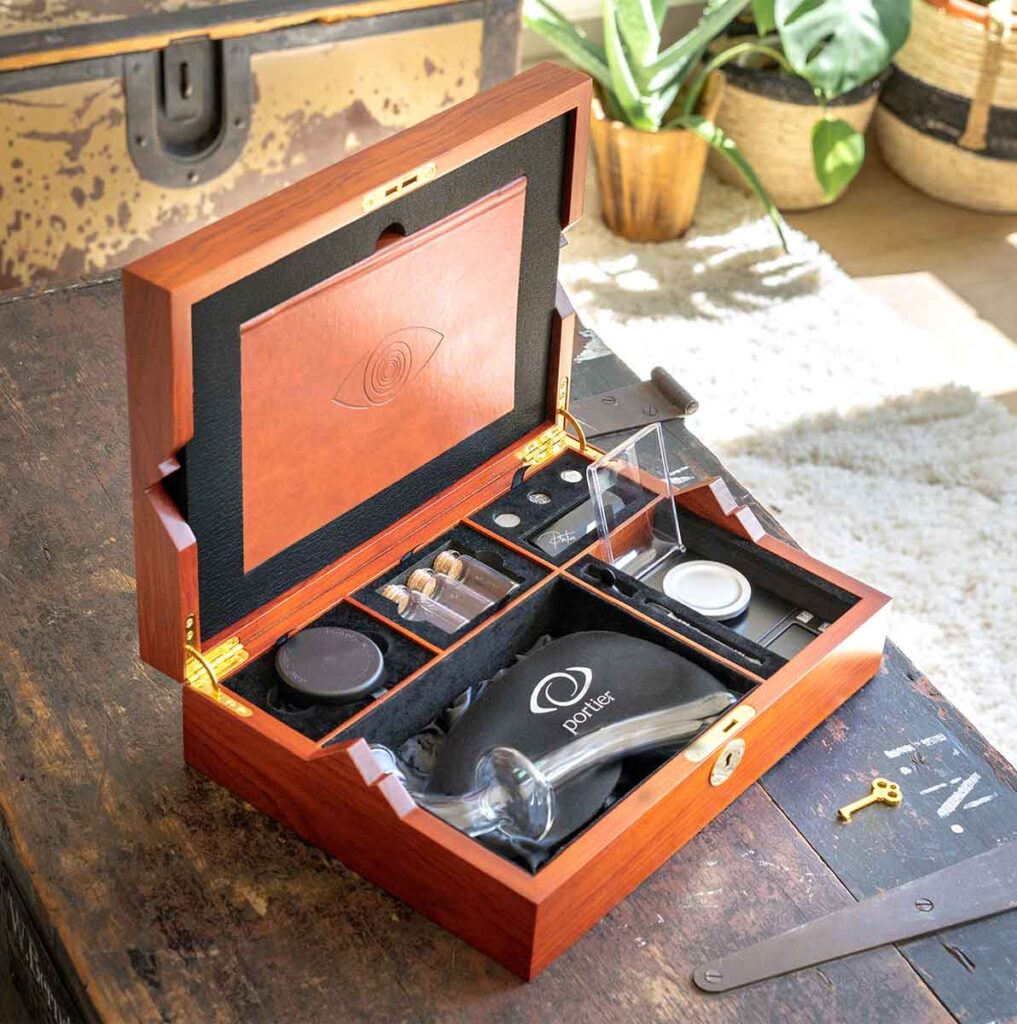
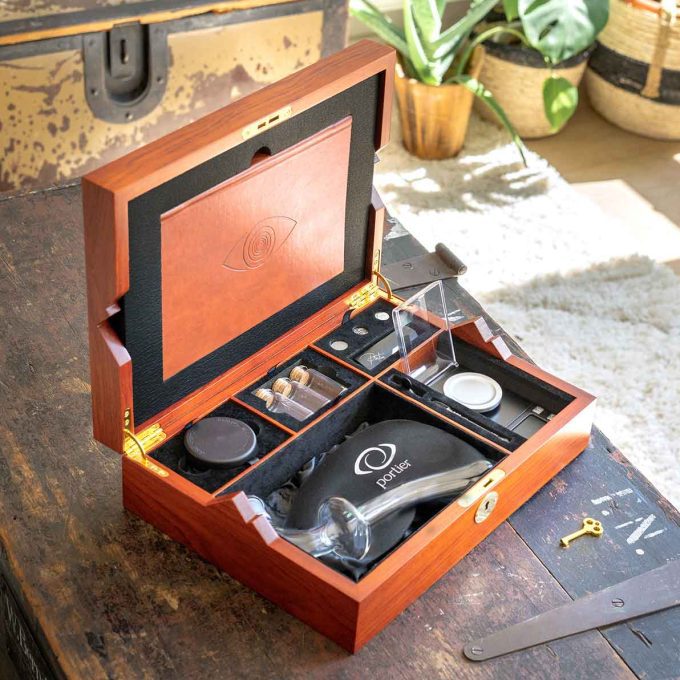
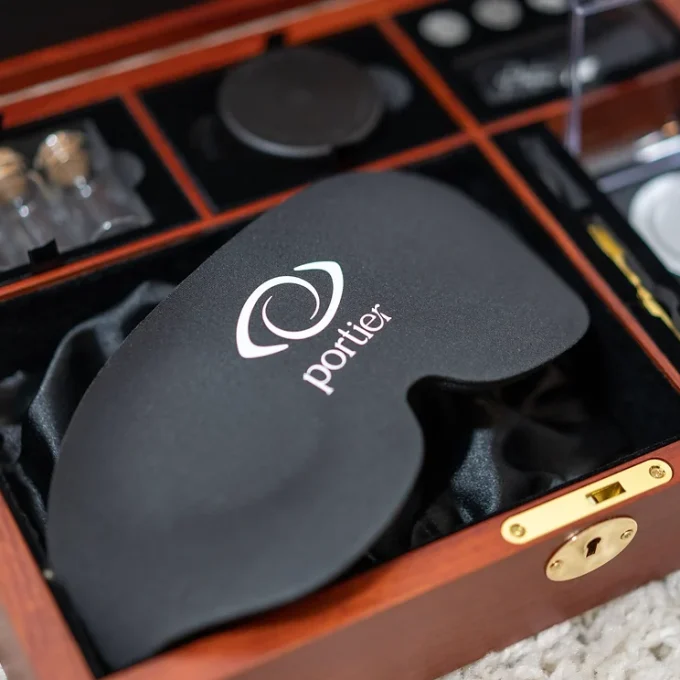
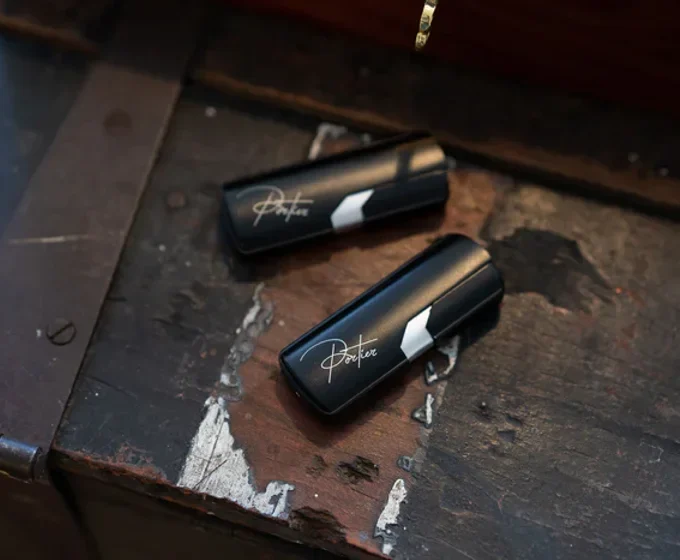
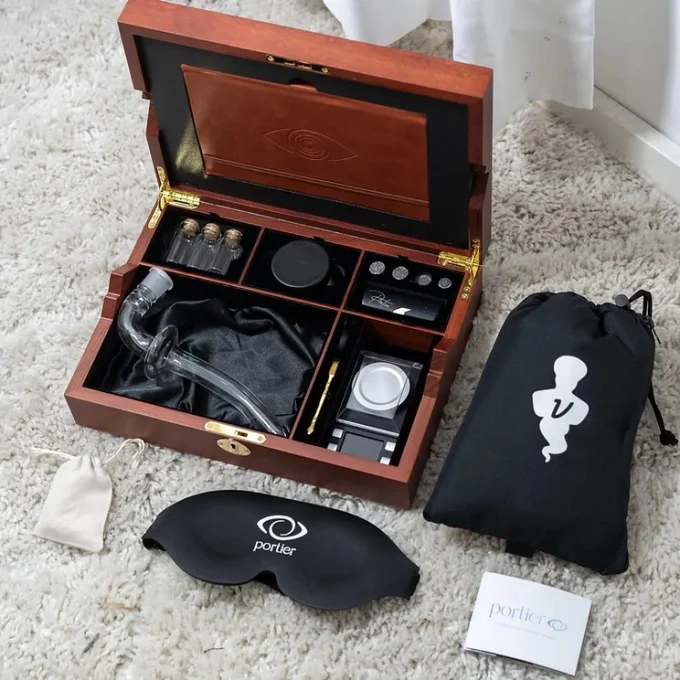
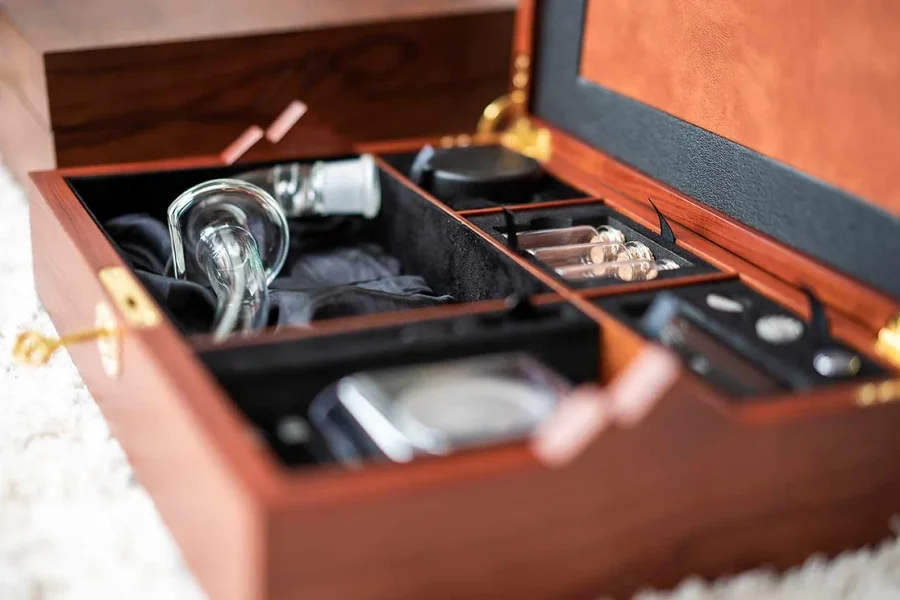
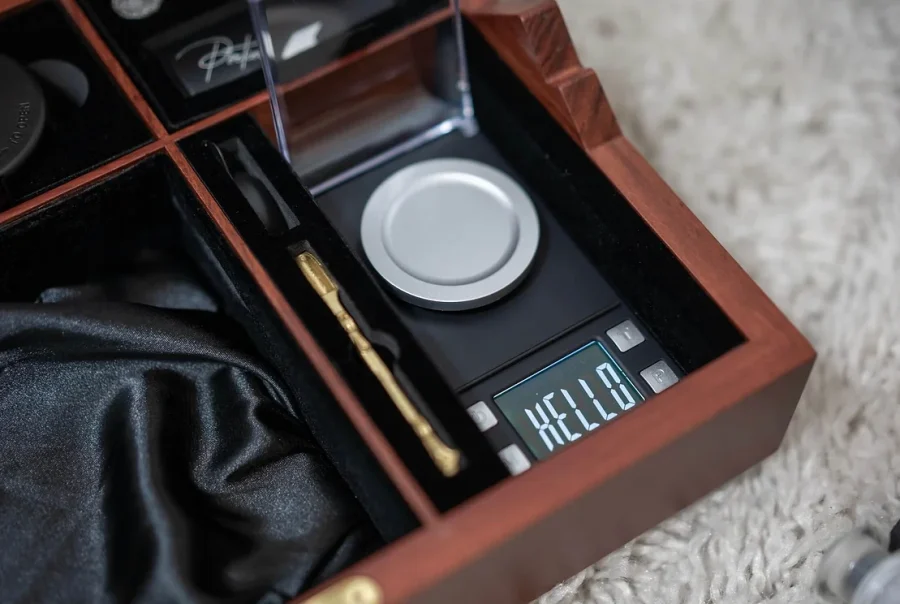
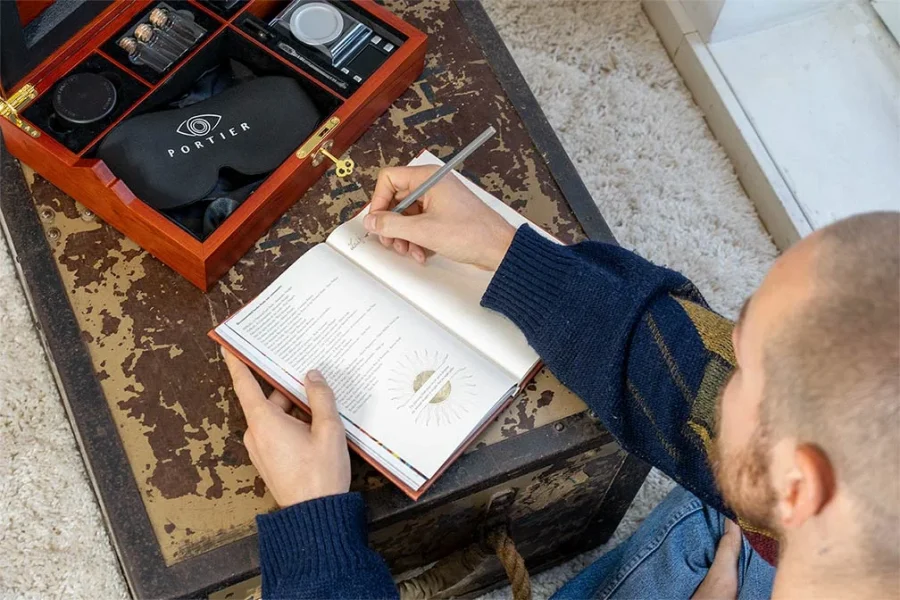
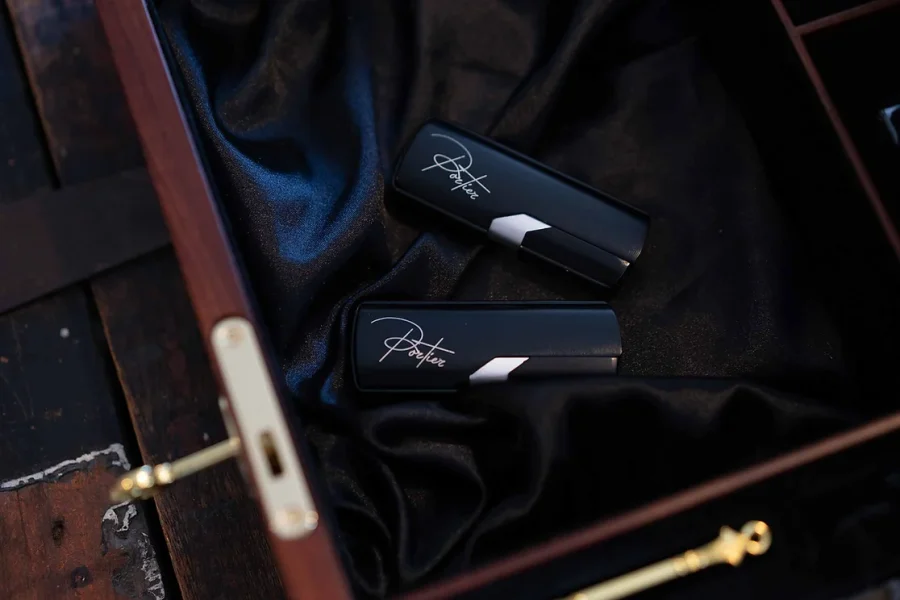
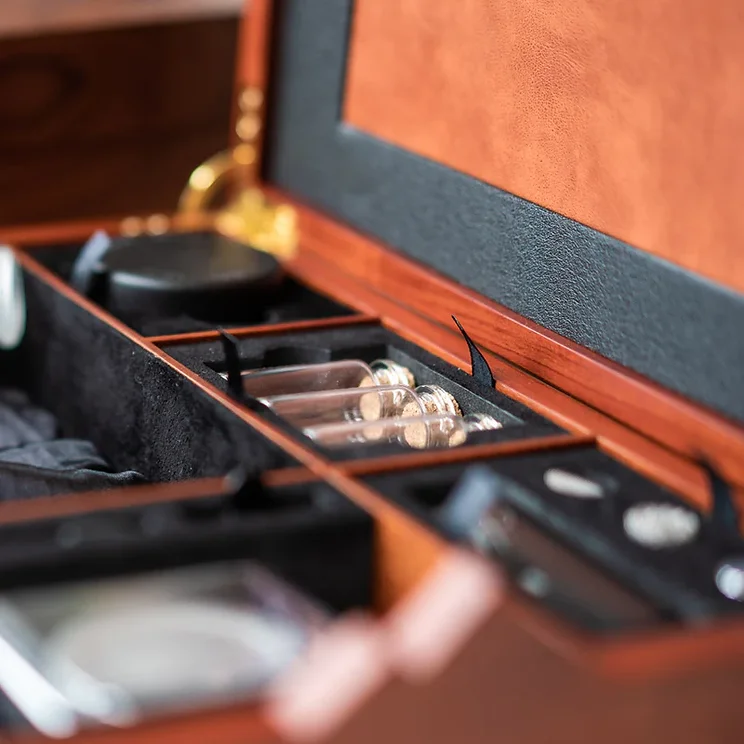
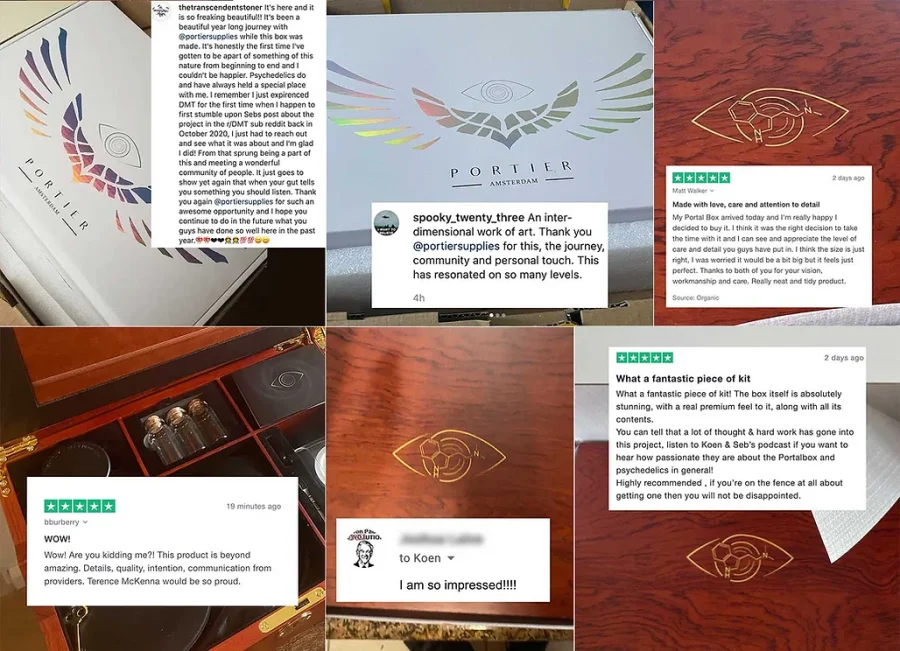
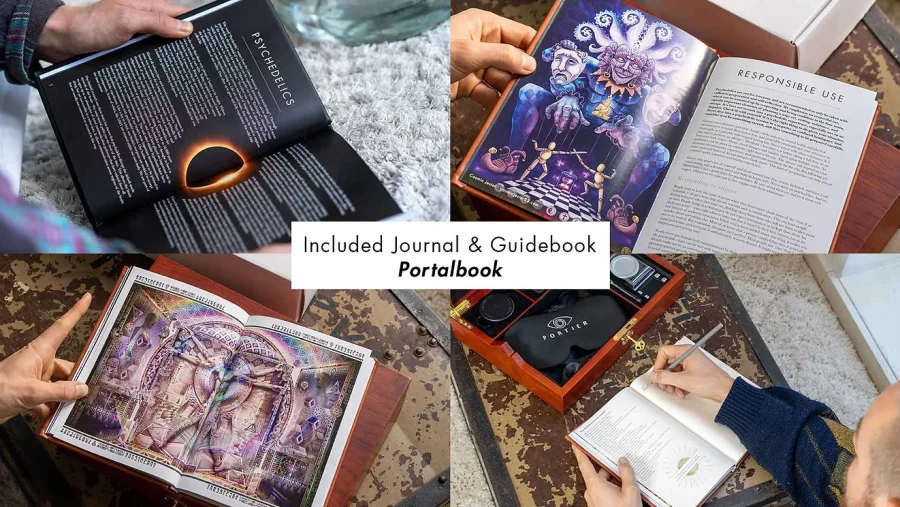
A dedicated storage solution such as the Portalbox can help keep vaporizers, accessories, and ceremonial tools organized in one protected location. Good organization supports consistent storage conditions and reduces unnecessary handling. You can also opt for the Portalcase, a more compact version made with similar craftsmanship and care, for keeping your materials away from threats of oxidation and contamination. You can order the Portalbox here
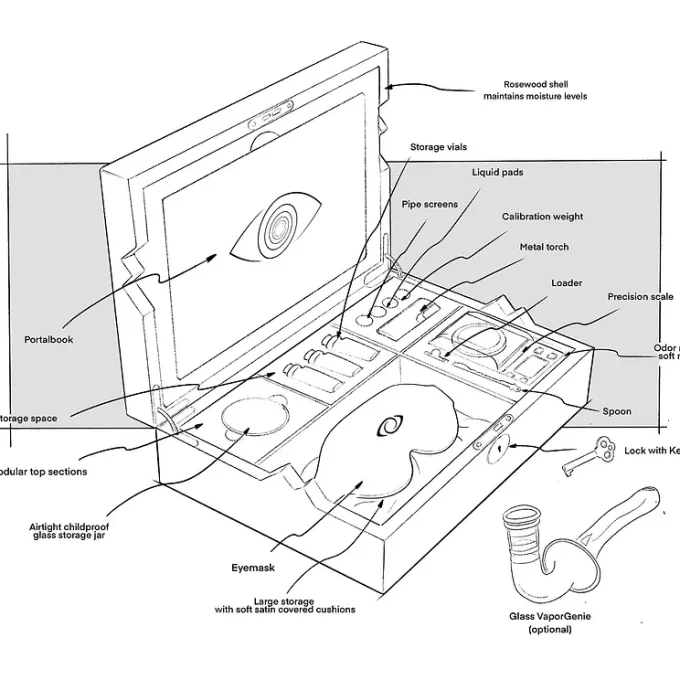
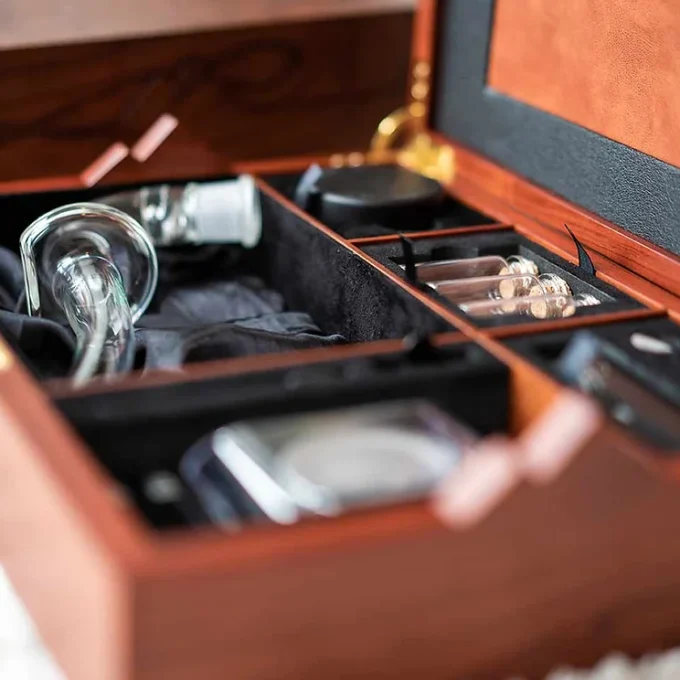
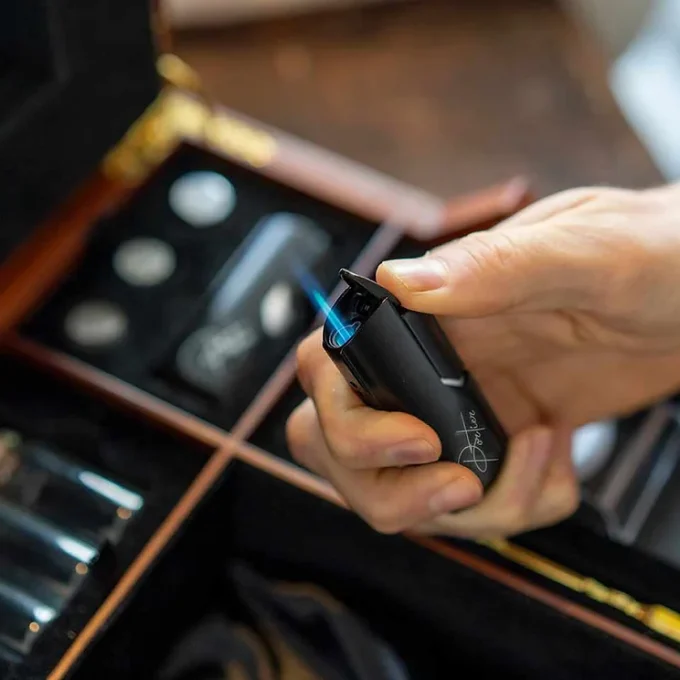
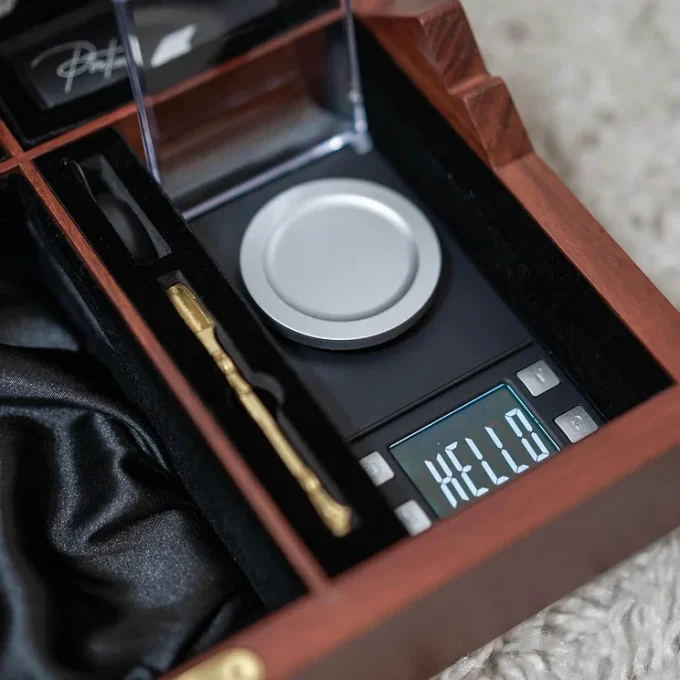
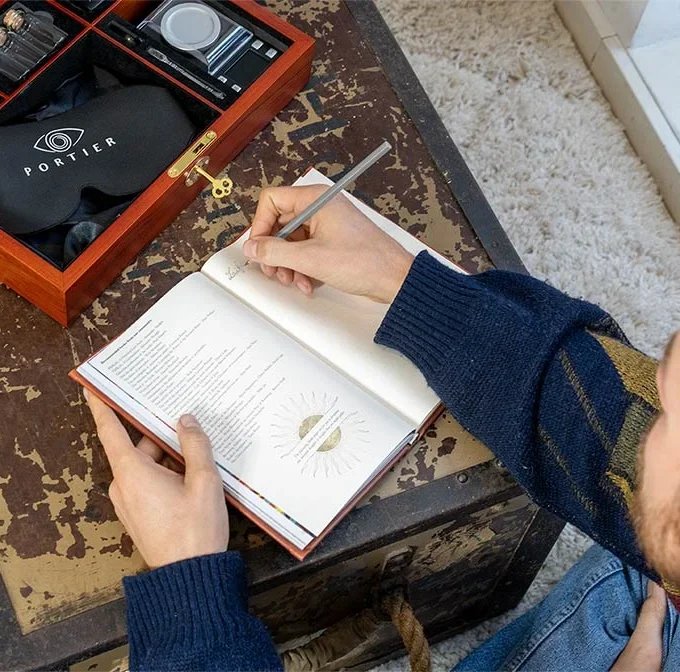
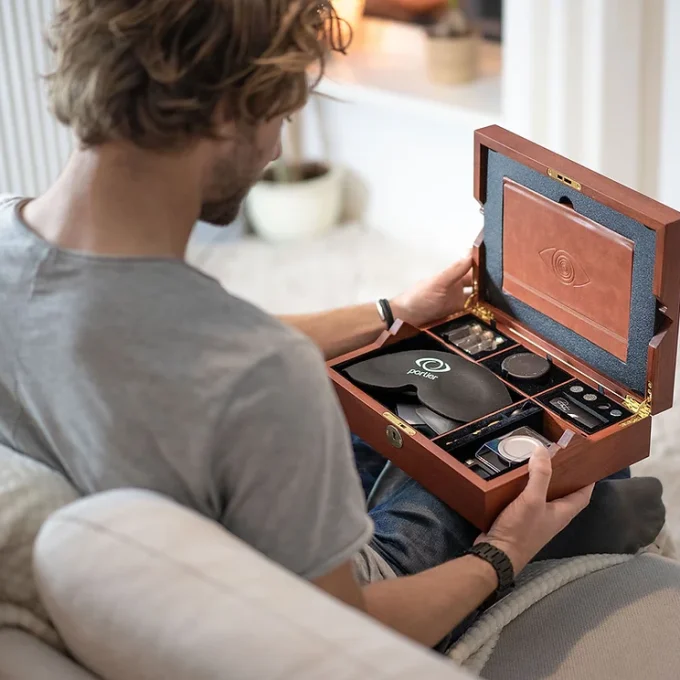
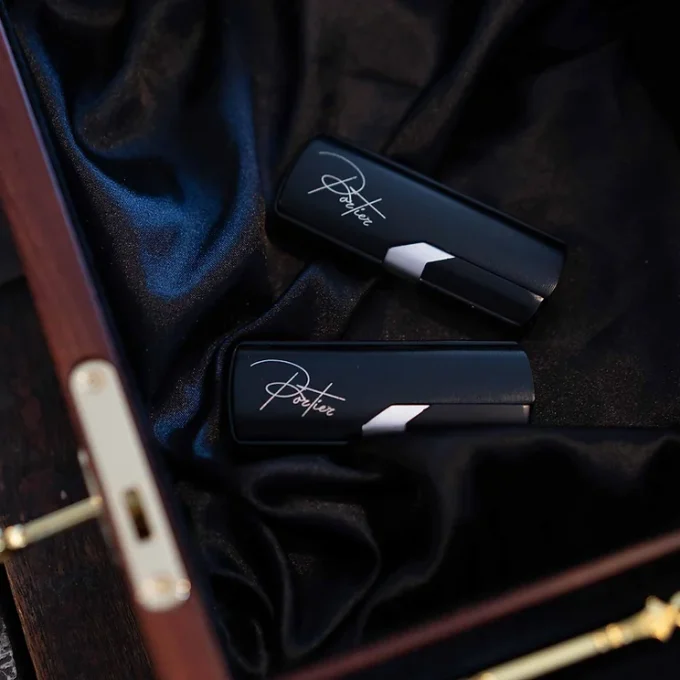
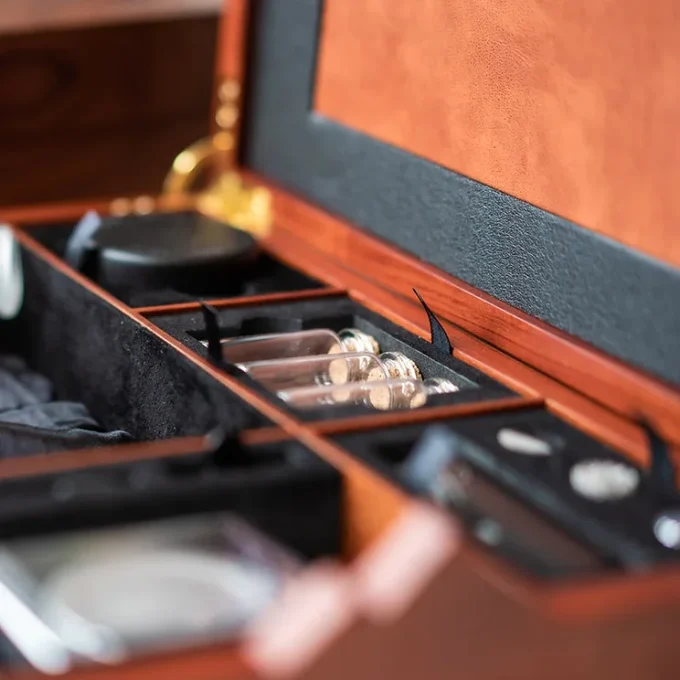

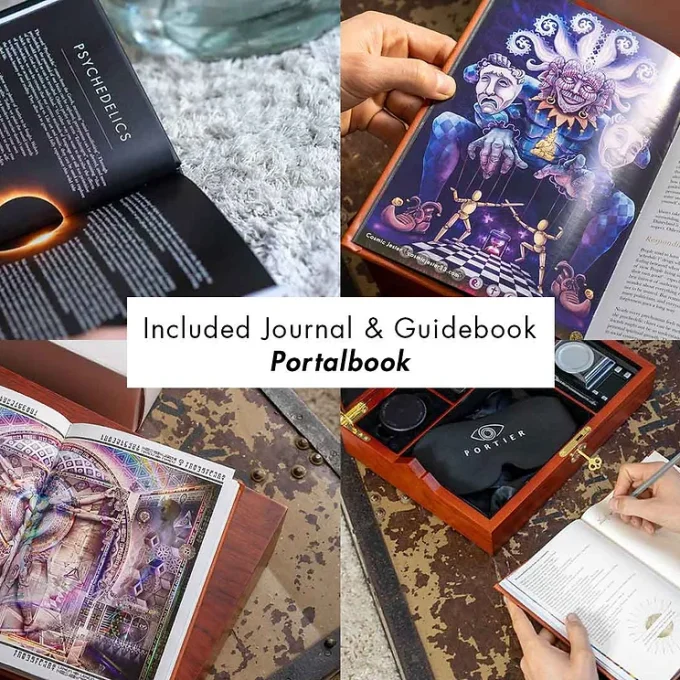
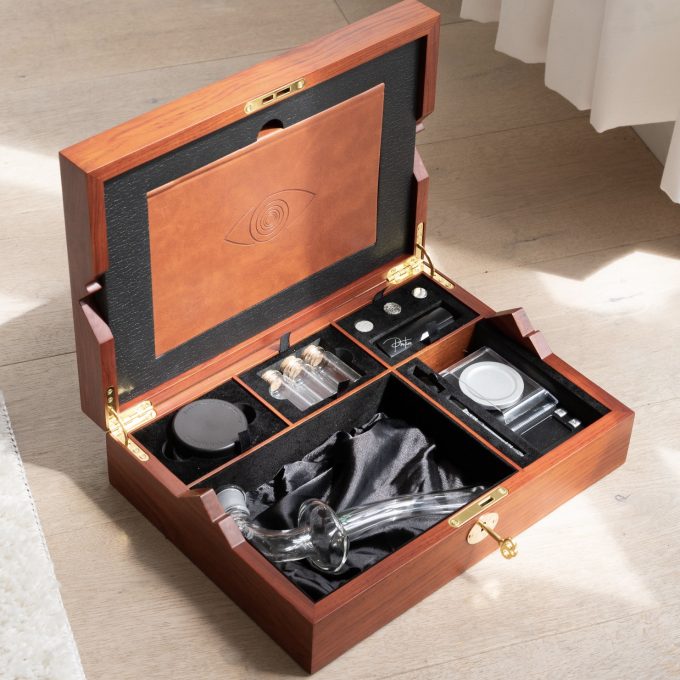
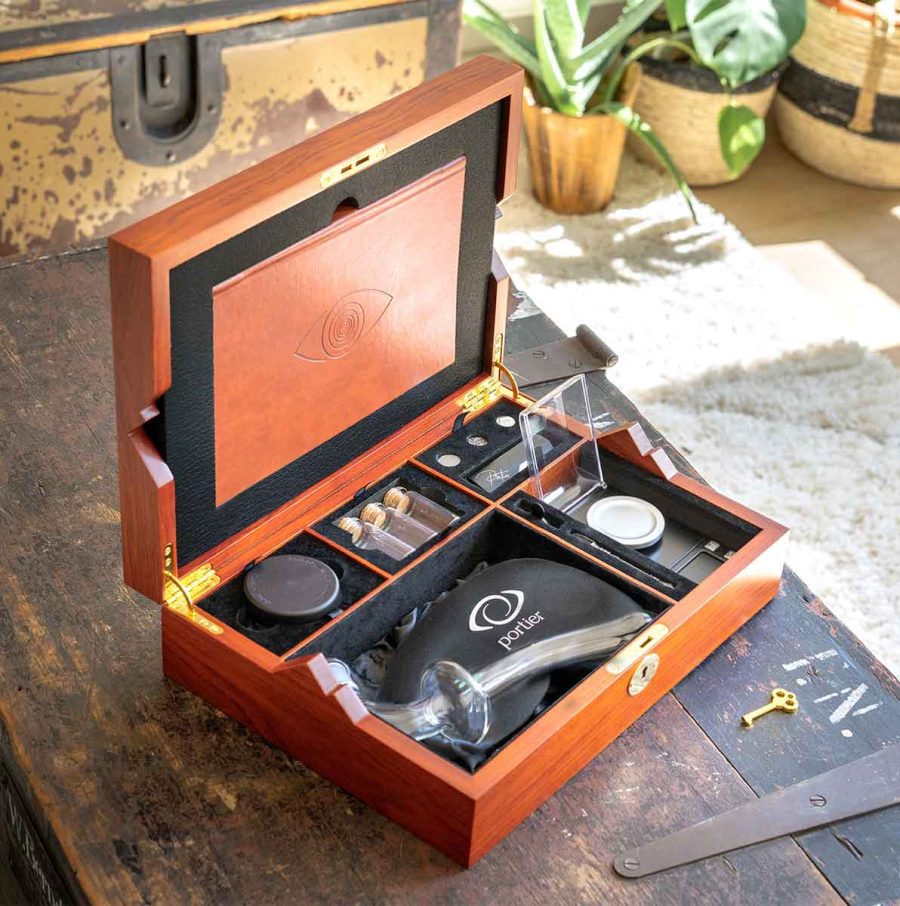

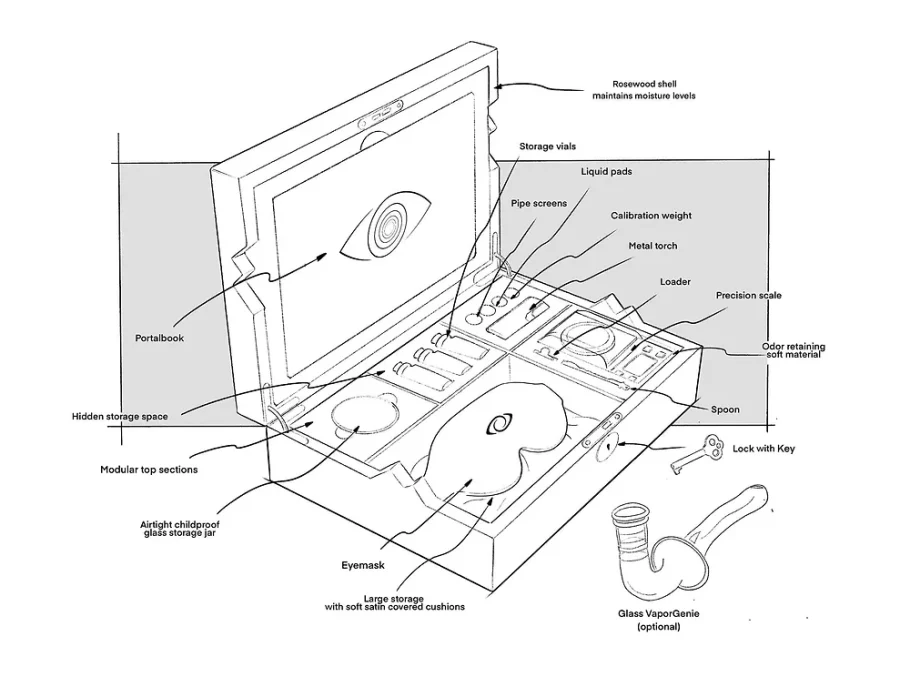






Portalbox
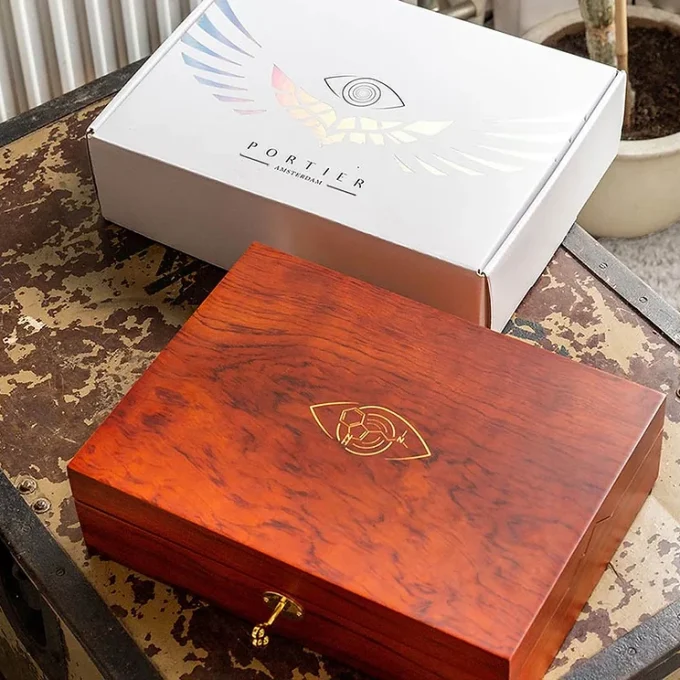
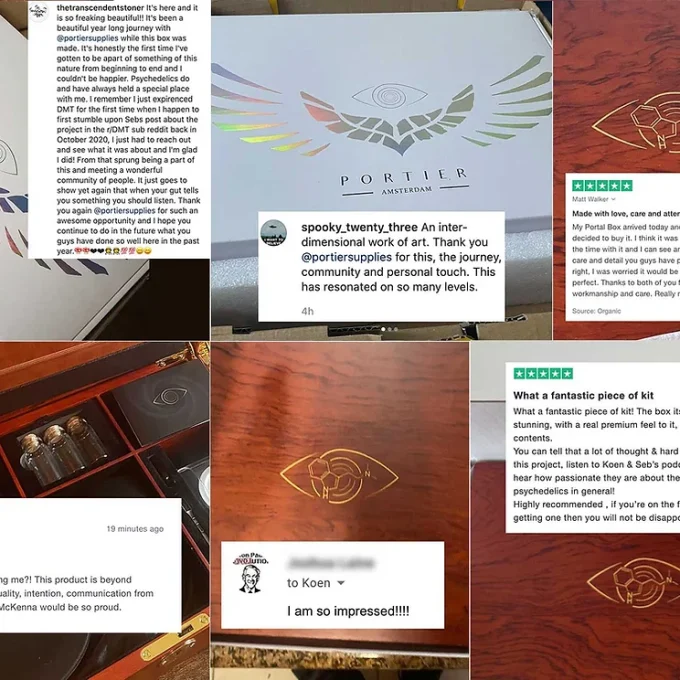
The Portalbox is a premium, handmade wooden storage solution crafted to support your inner journey. Designed with intention, we’ve handpicked the best tools and guidance, ensuring a thoughtful and mindful experience while helping to reduce stigma and elevate practice. Built in collaboration with our global community, the Portalbox is made to last for decades, supporting deeper experiences in a respectful and informed manner.

78 in stock

Regardless of the container you choose, the goal is the same: keep materials protected, organized, and exposed to as few environmental stressors as possible.
Common DMT Storage Mistakes
Clear Containers in Direct Light
One of the most common storage errors is using a clear container and storing it anywhere with ambient or direct light. Clear glass provides no UV protection. A clear vial on a shelf, even away from direct sunlight, receives diffuse UV exposure over time that amber or opaque glass would block entirely.
Warm Storage Areas
Storing near heat-generating devices, on a shelf above a stove, or in a space that gets warm in summer creates conditions where degradation accelerates. Electronics produce more ambient heat than most people realize. Avoid storing materials on or near computer setups, entertainment systems, or charging stations.
Excessive Storage Opening and Closing
Checking on stored material out of habit or curiosity is one of the most counterproductive storage habits. Every opening exchanges the inert headspace for fresh oxygen-rich air. Open only when you need to, not out of routine.
Improper Packaging
Plastic zip-lock bags, thin plastic vials, and foil pouches are not suitable for anything beyond the most short-term, immediate use. They are gas-permeable, can leach compounds over time, and offer no protection against light. Glass is the correct long-term choice.
Storing Materials Loose
Leaving material in an unsealed or loosely covered container, even just temporarily, significantly accelerates exposure to air and moisture. Always ensure containers are fully sealed after every use, not just pressed loosely shut.
Frequently Asked Questions
Can DMT Be Frozen?
Yes, with an important precaution: the container must be genuinely airtight before going into the freezer. When a container moves from cold to warm, the temperature difference can cause moisture from the surrounding air to condense inside, which should be avoided. Allow a frozen container to come completely to room temperature before opening it. For most storage durations, a cool and dark cabinet achieves similar results without the condensation risk.
Does DMT Lose Potency Over Time?
It can, but slowly under good conditions. The gradual oxidative degradation of the DMT molecule can reduce potency over time, particularly when storage has been suboptimal. Well-stored material in an airtight, dark, cool environment can remain largely stable for years, and by most accounts, potentially much longer.
How Can You Tell If DMT Has Degraded?
Look for a combination of signals rather than any single one. Significant color shift (from white or off-white toward deep amber or brown), a change in texture (from crystalline to waxy, clumpy, or sticky), and an unusual or off aroma together suggest meaningful degradation. Mild yellowing alone is not conclusive. When multiple signs are present, treat the material with additional caution.
Is Refrigeration Necessary?
For most practical storage durations under two to three years, refrigeration is not necessary if you have a consistently cool, dark cabinet or drawer. It becomes more worthwhile for very long-term storage or in climates where room temperature is consistently high. If you do refrigerate, use a fully sealed container and allow it to reach room temperature before opening.
Does DMT Expire in a Vape Cartridge?
DMT stored in vape cartridges may have a shorter shelf life than crystalline DMT because carrier liquids, flavorings, and hardware components can degrade over time. While the DMT itself is relatively stable, most vape cartridges are best used within one to two years when stored in a cool, dark location. Changes in color, consistency, flavor, or performance may indicate that the cartridge has aged.
Conclusion
DMT is a relatively stable compound, but its longevity depends heavily on storage conditions. Light, heat, oxygen, and moisture can gradually reduce quality and potency over time.
The most effective storage strategy is straightforward: use an airtight glass container, keep it in a cool and dark location, minimize exposure to air, and avoid unnecessary handling.
Good storage habits help preserve material quality and reduce the likelihood of degradation. Whether you use a simple amber glass vial, a lockbox, or a dedicated storage solution such as the Portalbox, consistency is what matters most.
Store carefully, maintain stable conditions, and DMT can remain viable for years.
This article is intended for harm-reduction and educational purposes only. It does not constitute medical, legal, or therapeutic advice. Laws regarding DMT vary by country and jurisdiction.



 No products in the cart.